Solutions for
Acidity
Constipation
Bloating
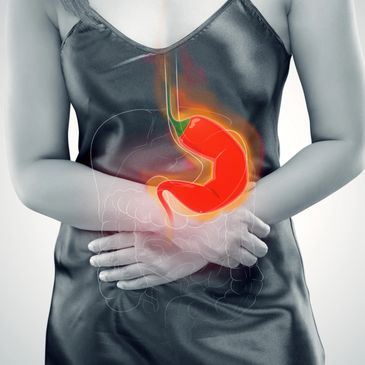
Acidity, commonly known as acid reflux or heartburn, is a widespread digestive issue that can affect people of all ages. Understanding and managing acidity involves a combination of lifestyle changes, dietary adjustments, and, in some cases, medical intervention. We provide a holistic approach so that you can take control of their digestive health and enjoy a more comfortable and fulfilling life.

Bloating
Constipation
Bloating
Bloating, that uncomfortable feeling of fullness and tightness in the abdomen, is a common digestive woe that many people experience. While occasional bloating is usually harmless, persistent or severe bloating may be a sign of an underlying issue. Understanding and managing bloating involves a combination of lifestyle modifications, dietary changes, and, when necessary, medical intervention

Constipation
Constipation
Constipation
Constipation is a common digestive problem that affects people across all age groups. It can significantly impact daily comfort and overall well-being. Effective management involves dietary changes, lifestyle modifications, and, in some cases, medical evaluation to identify underlying causes. Our goal is to help you restore regular bowel habits and improve digestive health.
Diarrhoea
Gallstones
Constipation
Diarrhoea is a frequent digestive complaint that can range from mild and self-limiting to severe and life-threatening. Proper hydration, dietary care, and timely medical attention are key to effective management.

Gallstones
Gallstones
Gallstones
Gallstones are a common yet often misunderstood condition affecting the gallbladder. While many people may have silent stones, others experience severe pain and complications. Early diagnosis and timely management can prevent serious problems like infection or blockage of bile flow.
GI Bleed
Gallstones
Gallstones
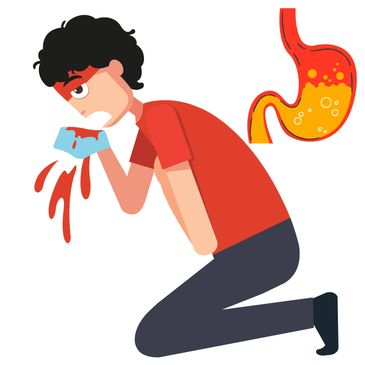
Gastrointestinal bleeding is a potentially serious condition that requires urgent attention. It may present subtly or dramatically, but timely diagnosis and intervention can be life-saving.
GI Cancers
Hiatus Hernia
GI Cancers
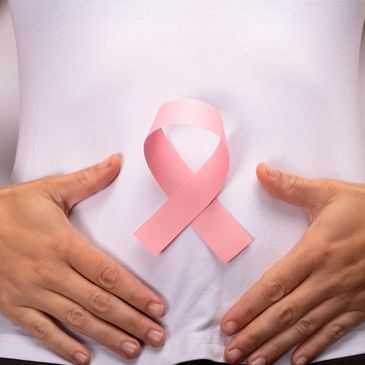
Gastrointestinal cancers are increasingly seen in today’s population, but early detection can significantly improve outcomes. Screening and awareness are the key to prevention and timely treatment.

Hepatitis
Hiatus Hernia
GI Cancers
Hepatitis is inflammation of the liver that can range from temporary illness to chronic disease. Early detection and proper management can prevent complications like cirrhosis or liver failure.

Hiatus Hernia
Hiatus Hernia
Hiatus Hernia
Hiatus hernia is a common cause of chronic acidity and reflux symptoms. While many cases are mild, some require careful evaluation and long-term management.
Acidity

What is acidity?
Acidity, commonly known as acid reflux or heartburn, is a widespread digestive issue that can affect people of all ages. It occurs when stomach acid flows back into the esophagus, causing discomfort and a burning sensation. While occasional acidity is normal, persistent symptoms may indicate a more severe condition, such as gastroesophageal reflux disease (GERD).
What causes acidity?
Some common causes are
- Unhealthy Eating Habits:
- Consuming large meals or heavy snacks
- Eating too quickly
- Consuming spicy, oily, or acidic foods
- Lifestyle Factors:
- Lack of physical activity
- Irregular sleep patterns
- Excessive stress
- Medical Conditions:
- Hiatal hernia
- Obesity
- Pregnancy
What are its common symptoms?
- Heartburn:
- A burning sensation in the chest, often after eating
- Regurgitation:
- Sour taste in the mouth due to stomach acid backing up
- Dyspepsia:
- Discomfort and pain in the upper abdomen
- Difficulty Swallowing:
- Feeling of a lump in the throat or difficulty swallowing
How to manage acidity?
- Dietary Changes:
- Consume smaller, more frequent meals
- Avoid spicy, fatty, and acidic foods
- Limit caffeine and alcohol intake
- Lifestyle Modifications:
- Maintain a healthy weight through regular exercise
- Practice stress-reduction techniques like meditation or yoga
- Elevate the head of your bed if symptoms worsen at night
- Over-the-Counter Medications:
- Antacids for immediate relief
- H2 blockers or proton pump inhibitors for long-term management
- Natural Remedies:
- Ginger and chamomile tea may help soothe the digestive system
- Aloe vera juice may have anti-inflammatory properties
- Hydration:
- Drink plenty of water to help neutralize stomach acid
- Identifying Triggers:
- Keep a food diary to identify specific foods or activities that trigger acidity
When to seek medical attention?
While lifestyle changes and over-the-counter remedies often provide relief, it's crucial to consult a healthcare professional if:
- Symptoms persist despite lifestyle modifications
- There's difficulty swallowing or persistent vomiting
- Weight loss and fatigue accompany acidity
How we can help!
- Accurate Diagnosis: Through advanced endoscopy, we pinpoint the specific triggers of your acidity.
- Personalized Treatment: Tailored plans to address the root causes and provide effective relief.
- Lifestyle Guidance: Friendly advice on dietary adjustments and lifestyle changes to prevent recurrence.
Bloating
What is bloating?
Bloating, that uncomfortable feeling of fullness and tightness in the abdomen, is a common digestive woe that many people experience. While occasional bloating is usually harmless, persistent or severe bloating may be a sign of an underlying issue.
What causes bloating?
Some common causes are
- Dietary Choices:
- Consuming gas-producing foods like beans, broccoli, and carbonated drinks
- Eating too quickly or overeating
- Digestive Conditions:
- Irritable bowel syndrome (IBS)
- Inflammatory bowel diseases (IBD)
- Celiac disease
- Swallowing Air:
- Eating or drinking too rapidly
- Chewing gum or smoking
- Bacterial Overgrowth:
- Imbalance of bacteria in the gut
What are its common symptoms?
- Abdominal Discomfort:
- Feeling of fullness or tightness in the belly
- Visible Distention:
- Swelling or enlargement of the abdominal area
- Gas and Burping:
- Excessive gas and burping may accompany bloating
- Changes in Bowel Habits:
- Diarrhea or constipation, especially for those with underlying digestive conditions
How to manage bloating?
- Mindful Eating:
- Chew food slowly and thoroughly
- Avoid talking while eating to reduce swallowing air
- Dietary Modifications:
- Identify and limit trigger foods (common culprits include beans, onions, and cruciferous vegetables)
- Consider a low-FODMAP diet (consult our Gastroenterologist for guidance)
- Probiotics:
- Incorporate probiotic-rich foods like yogurt or consider supplements to promote a healthy gut microbiome
- Stay Hydrated:
- Drink plenty of water to aid digestion and prevent constipation
- Exercise:
- Engage in regular physical activity to stimulate bowel movements and reduce bloating
- Peppermint Oil:
- Consider peppermint oil capsules, which may help relax the muscles of the gastrointestinal tract
When to seek medical attention?
While bloating is often a benign issue, it's important to consult a healthcare professional if:
- Symptoms persist or worsen
- Severe pain accompanies bloating
- There are unexplained weight loss or changes in bowel habits
How we can help!
- Diagnostic Precision: Our clinical evaluation and diagnostics help us identify the precise causes of your bloating.
- Therapeutic Interventions: Customized solutions to alleviate discomfort and restore digestive balance.
- Nutritional Guidance: Friendly tips on dietary adjustments for long-term relief and digestive wellness.
Constipation
What is constipation?
Constipation refers to infrequent bowel movements or difficulty passing stools. It is typically defined as fewer than three bowel movements per week, often associated with hard stools, straining, or a feeling of incomplete evacuation.
What causes constipation?
Dietary Factors:
- Low fiber intake
- Inadequate fluid intake
- Excess consumption of processed foods
Lifestyle Factors:
- Sedentary lifestyle
- Ignoring the urge to pass stool
- Irregular bowel habits
Medical Conditions:
- Hypothyroidism
- Diabetes
- Irritable bowel syndrome (IBS)
- Medications (iron, calcium, opioids)
What are its common symptoms?
- Infrequent bowel movements
- Hard or lumpy stools
- Straining during bowel movements
- Feeling of incomplete evacuation
- Bloating or abdominal discomfort
How to manage constipation?
Dietary Changes:
- Increase fiber intake (fruits, vegetables, whole grains)
- Drink adequate water
Lifestyle Modifications:
- Regular physical activity
- Establish a fixed bowel routine
Medications:
- Bulk-forming agents or stool softeners
- Laxatives (as advised by a doctor)When to seek medical attention?
- Persistent constipation despite dietary changes
- Blood in stool
- Unexplained weight loss
- Sudden change in bowel habits
How we can help!
- Accurate Diagnosis: Colonoscopy and evaluation to rule out serious causes
- Personalized Treatment: Tailored bowel regulation plans
- Long-term Guidance: Sustainable dietary and lifestyle strategies
Diarrhoea

What is diarrhoea?
Diarrhoea refers to the passage of loose or watery stools, often occurring multiple times a day. It may be acute (short-term) or chronic (lasting more than 2–3 weeks).
What causes diarrhoea?
Infections:
- Viral (most common)
- Bacterial (food poisoning)
- Parasitic
Dietary Causes:
- Food intolerance (e.g., lactose)
- Contaminated food or water
Medical Conditions:
- IBS
- Inflammatory bowel disease (IBD)
- Malabsorption disorders
What are its common symptoms?
- Frequent loose stools
- Abdominal cramps
- Nausea or vomiting
- Fever (in infections)
- Dehydration
How to manage diarrhoea?
Hydration:
- Oral rehydration solutions (ORS)
- Increased fluid intake
Dietary Adjustments:
- Light, easily digestible food
- Avoid dairy, spicy, and fatty foods
Medications:
- Anti-diarrheal drugs (if appropriate)
- Antibiotics only when indicated
When to seek medical attention?
- Persistent diarrhoea > 2–3 days
- Blood in stools
- Signs of dehydration
- High fever
How we can help!
- Precise Diagnosis: Stool tests and endoscopic evaluation when needed
- Targeted Treatment: Infection-specific or condition-based therapy
- Recovery Guidance: Diet and gut restoration strategies
Gallstones
What are gallstones?
Gallstones are solid particles that form in the gallbladder from bile components such as cholesterol or bilirubin. They may remain silent or suddenly cause pain if they block the bile ducts.
What causes gallstones?
Diet & Metabolic Factors:
- High cholesterol levels in bile
- Obesity and insulin resistance
- Rapid weight loss
Hormonal Factors:
- More common in women
- Pregnancy-related changes
Other Risk Factors:
- Age > 40
- Family history
What are its common symptoms?
- Sudden severe pain in the upper abdomen (often after fatty meals)
- Pain radiating to the back or right shoulder
- Nausea or vomiting
- Recurrent indigestion or bloating
️ Warning signs of complications:
- Fever with pain
- Yellowing of eyes (jaundice)
- Persistent vomiting
How to manage gallstones?
Observation:
- If asymptomatic, no immediate treatment may be needed
Lifestyle Measures:
- Balanced diet with controlled fat intake
- Gradual weight loss
Definitive Treatment:
- Laparoscopic gallbladder removal (safe and commonly performed)
When to seek medical attention?
- Recurrent abdominal pain
- Severe or prolonged pain
- Any signs of infection or jaundice
How we can help!
- Early Detection: Ultrasound and clinical evaluation
- Comprehensive Care: From diagnosis to surgical referral if required
- Prevention Advice: Diet and long-term digestive health guidance
GI Bleed
What is GI bleed?
GI bleeding refers to loss of blood from any part of the digestive tract—from the esophagus, stomach, and small intestine to the colon and rectum.
What causes GI bleed?
Upper GI Causes:
- Peptic ulcers (most common)
- Gastritis or erosions
- Esophageal varices (especially in liver disease)
Lower GI Causes:
- Hemorrhoids
- Polyps or colorectal cancer
- Colitis or infections
What are its common symptoms?
- Vomiting blood (fresh or coffee-colored)
- Black tarry stools (melena)
- Fresh blood in stool
- Fatigue, dizziness, or weakness
Severe cases can lead to shock and collapse
How to manage GI bleed?
Emergency Stabilization:
- IV fluids, monitoring, blood transfusion if needed
Medical Treatment:
- Acid suppression, antibiotics (if indicated)
Endoscopic Treatment:
- Clipping bleeding vessels
- Injection therapy
- Thermal coagulation
When to seek medical attention?
🚨 Immediately if:
- Blood in vomit or stool
- Sudden weakness or fainting
- Black stools
How we can help!
- Emergency Endoscopy Services: Rapid diagnosis and treatment
- Advanced Therapeutic Endoscopy: Control bleeding effectively
- Follow-up Care: Prevent recurrence and manage underlying causes
GI Cancers
What are GI cancers?
These include cancers affecting the digestive tract—such as the esophagus, stomach, colon, liver, pancreas, and rectum.
What causes GI cancers?
Lifestyle Factors:
- Smoking and alcohol
- Diet high in processed or red meat
- Obesity and sedentary lifestyle
Medical Factors:
- Chronic acid reflux
- Inflammatory bowel disease
- Chronic hepatitis
Genetic Factors:
- Family history of cancer
- Genetic syndromes
What are its common symptoms?
- Unexplained weight loss
- Persistent abdominal discomfort
- Change in bowel habits
- Blood in stool
- Difficulty swallowing
Early cancers may have no symptoms
How to manage GI cancers?
Screening & Early Detection:
- Colonoscopy (especially after age 45)
- Endoscopy for high-risk individuals
Treatment Options:
- Surgery
- Chemotherapy
- Targeted therapy
When to seek medical attention?
- Persistent unexplained symptoms
- Family history of GI cancers
- Age > 45 with new digestive complaints
How we can help!
- Screening Programs: Early detection saves lives
- Accurate Diagnosis: Endoscopy with biopsy
- Integrated Care: Coordination with oncology teams
Hepatitis
What is hepatitis?
Hepatitis refers to inflammation of the liver, most commonly caused by viral infections, but also due to alcohol, fatty liver, or medications.
What causes hepatitis?
Viral Causes:
- Hepatitis A (food/water-borne)
- Hepatitis B & C (blood-borne, chronic risk)
Non-Viral Causes:
- Alcohol use
- Fatty liver disease
- Drug-induced liver injury
What are its common symptoms?
- Fatigue and weakness
- Loss of appetite
- Nausea and vomiting
- Jaundice (yellowing of eyes/skin)
- Dark urine
How to manage hepatitis?
Lifestyle Measures:
- Avoid alcohol
- Balanced liver-friendly diet
Medical Treatment:
- Antiviral therapy for Hepatitis B & C
- Monitoring for complications
When to seek medical attention?
- Yellowing of eyes or skin
- Persistent fatigue
- Abnormal liver tests
How we can help!
- Comprehensive Evaluation: Blood tests and imaging
- Targeted Treatment Plans: Based on cause
- Long-term Monitoring: Prevent liver damage
Hiatus Hernia

What is hiatus hernia?
It occurs when part of the stomach moves upward through the diaphragm into the chest cavity, weakening the natural barrier that prevents acid reflux.
What causes hiatus hernia?
- Weakening of diaphragm muscles with age
- Increased abdominal pressure (obesity, pregnancy)
- Chronic coughing or straining
What are its common symptoms?
- Persistent heartburn
- Acid regurgitation
- Chest discomfort (often mistaken for heart pain)
- Difficulty swallowing
How to manage hiatus hernia?
Lifestyle Changes:
- Weight reduction
- Avoid lying down immediately after meals
- Smaller, frequent meals
Medications:
- Acid suppression therapy
Surgery:
- For severe or resistant cases
When to seek medical attention?
- Severe or persistent reflux
- Difficulty swallowing
- Symptoms not responding to treatment
How we can help!
- Endoscopic Diagnosis: Assess severity and complications
- Personalized Management: Tailored medical care
- Advanced Support: Surgical referral when needed